Durable Residential Epoxy Flooring Solutions: Expert Installation and Benefits in New Jersey
New Paragraph

Epoxy flooring is a popular choice for homeowners who want tough, attractive floors; it's resilient and suitable for many rooms. This article outlines main epoxy types, installation steps, benefits, and typical costs in New Jersey so you can make an informed choice for your home.
Epoxy resins have built-in properties that make them ideal for durable flooring and many other uses.
Superior Properties & Processing of Epoxy Resins for Coatings
Epoxy resins are used because of their strong cured properties and straightforward processing. Formulations can be made with low viscosity and the right flow. A wide selection of hardeners lets you cure at room temperature or higher. Epoxies cross-link without forming low molecular weight by-products, so they release no volatiles during cure and show relatively low shrinkage. Their mechanical and electrical performance is better than many other resins, and they resist heat and chemicals well. Coatings and other applications of epoxy resins, 1993
What Are the Key Types of Epoxy Floor Coatings for Residential Use?
Epoxy floor coatings create a durable, long-lasting surface for homes. The main options are solid epoxy, water-based epoxy, and 100% solids epoxy. Solid epoxy suits high-traffic areas. Water-based epoxy is easier to apply and has lower VOCs, making it a good indoor choice. 100% solids epoxy delivers the highest durability and performance.
How Do Epoxy and Polyaspartic Floor Coatings Compare?
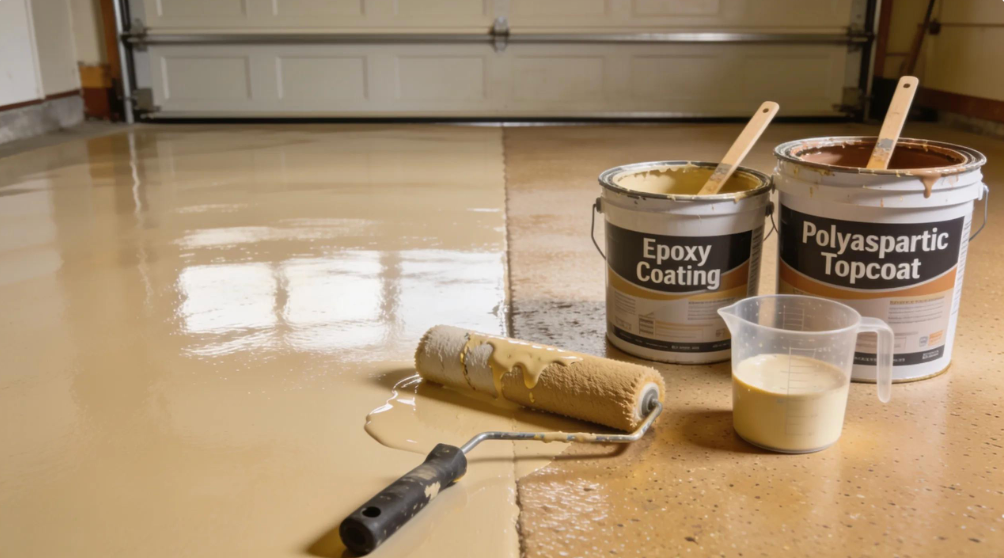
Epoxy and polyaspartic coatings differ in cure time, UV resistance, and cost. Epoxy typically needs 24–72 hours to cure fully, while polyaspartic can cure in 1–2 hours, which is better for quick turnarounds. Polyaspartic also resists UV and yellowing more than epoxy. Epoxy remains the more affordable option for many homeowners.
Which Epoxy Types Are Best for Garage, Basement, and Patio Floors?
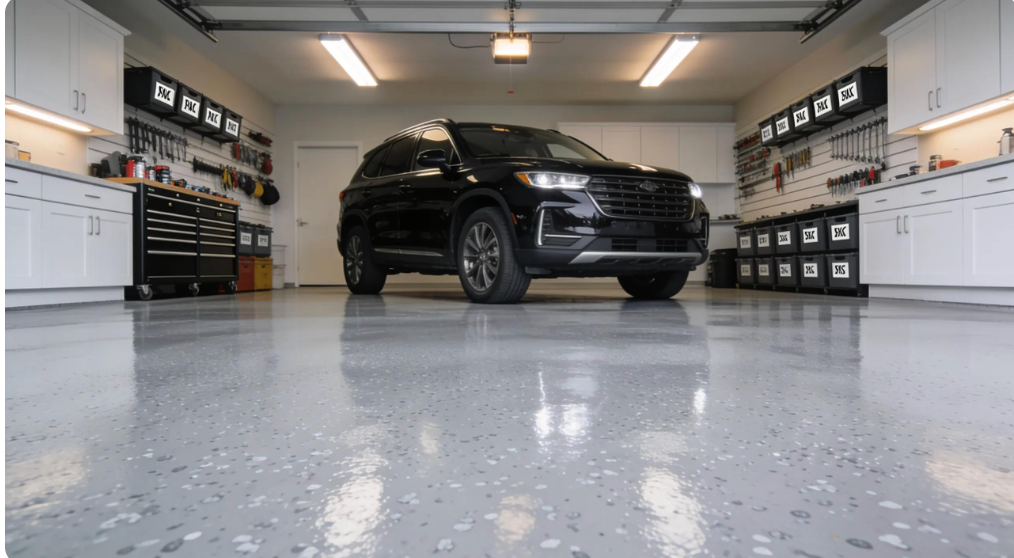
Choose the epoxy type for the intended space. For garages, solid epoxy provides strong chemical and stain resistance. In basements, water-based epoxy reduces yellowing and gives a smooth finish. For patios, 100% solids epoxy creates a robust surface that withstands outdoor conditions and improves curb appeal.
How Is Durable Epoxy Floor Installation Performed in Residential Settings?

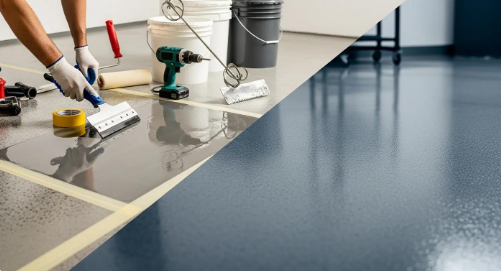
Proper installation follows several key steps. First, clean and prepare the surface—this can include grinding or shot blasting to improve adhesion. Next, apply epoxy in two or more coats, allowing the recommended cure time between coats. Finish with a topcoat for added protection and shine.
What Are the Steps Involved in Garage Epoxy Coating Installation?
Garage installation begins with cleaning to remove dirt, oil, and debris, then preparing the surface by grinding or etching to improve bonding. Mix and apply the epoxy in the prescribed coats and allow 24–72 hours for curing before regular use. A topcoat can be added for extra protection.
How Long Does Residential Epoxy Floor Installation Take?
Installation time varies by area size and epoxy type. Expect about 3 to 7 days for surface preparation, application, and curing. Plan ahead to minimize disruption while the floor cures.
What Are the Benefits and Maintenance Tips for Residential Epoxy Floors?
Epoxy floors are durable, resist heavy foot traffic and stains, and suit busy homes. They also enhance a room's appearance with many colors and finishes to match your decor. Maintenance is straightforward: regular cleaning with a mild detergent and periodic resealing helps the floor look its best and extends its life.
Indeed, epoxy coatings' strength offers clear advantages for both homes and commercial settings.
Benefits of Epoxy Coatings for Residential & Manufacturing Facilities
Epoxy coatings are often used on metals for their anticorrosion qualities. Both residential and manufacturing facilities can benefit from epoxy's durability and protective traits. Please contact our epoxy floor application business if you need reliable, long-lasting flooring solutions. Study of various epoxy‐based surface coating techniques for anticorrosion properties, T Ramakrishnan, 2022
How Does Epoxy Flooring Enhance Durability and Aesthetic Appeal?
Epoxy improves durability through chemical resistance that reduces damage from spills and stains. Its seamless finish prevents dirt and grime from building up, keeping spaces cleaner. You can also customize epoxy with colors, patterns, and finishes to match your style.
What Are Effective Maintenance Practices for Long-Lasting Epoxy Floors?

To keep epoxy floors in good condition, clean regularly with a soft mop and mild detergent to remove dirt and prevent scratches. Avoid harsh chemicals that can damage the surface. Reapply a topcoat every few years to preserve shine and protect against wear.
Considering long-term value, it's useful to weigh the economic and environmental effects of flooring maintenance.
Residential Flooring Maintenance Costs & Life Cycle Impact
Maintenance can drive much of a flooring system's environmental and economic impact. Maintenance costs significantly raise total expense—about 49 % of hardwood’s total cost and roughly 30 % for linoleum, vinyl, and carpet. The expected service life of a home strongly affects which flooring makes the most sense, as costs and environmental scores change over time. Impact of maintenance on life cycle impact and cost assessment for residential flooring options, 2015
How Much Does Residential Epoxy Flooring Cost in New Jersey?
Costs in New Jersey vary with epoxy type, area size, and installation complexity. Homeowners typically pay $4 to $15 per square foot for installation. That range usually covers materials and labor, though extra charges can apply for surface preparation or special finishes.
What Factors Influence the Price of Epoxy Floor Installation?
Price depends on the epoxy system chosen; more durable systems cost more. Area size matters—larger spaces require more materials and labor. Surface preparation, such as grinding or repairs, can also increase the total cost.
Are There Cost Differences Between Epoxy and Polyaspartic Coatings?
Yes. Epoxy is generally more affordable, while polyaspartic tends to cost more because it cures faster and offers stronger UV resistance. Compare the benefits of each against your budget to select the right option.
Stone Craft NJ specializes in stonework and epoxy flooring for residential and commercial clients in New Jersey. They focus on quality and customer satisfaction and provide expert installation to meet your needs.
Frequently Asked Questions
What is the lifespan of residential epoxy flooring?
Lifespan varies with epoxy type, traffic, and maintenance. Properly installed and cared for, epoxy floors typically last 10 to 20 years. Regular cleaning and periodic resealing can extend that life.
Can epoxy flooring be installed over existing floors?
Yes—if the existing surface is in good condition and properly prepared. The floor must be clean, dry, and free of contaminants that harm adhesion. Sometimes grinding or leveling is needed. Consult a professional to determine the best approach.
Is epoxy flooring suitable for outdoor use?
Some epoxies can be used outdoors. 100% solids epoxy is often chosen for patios because it's durable against weather. Choose a formulation designed for outdoor exposure to avoid UV degradation and fading. Always consult a professional for outdoor projects.
How do I choose the right color and finish for my epoxy floor?
Consider your space's overall look and personal taste. Epoxy comes in many colors and finishes—glossy, matte, metallic. View samples in your home's lighting to check appearance and consider how well a color hides dirt in high-traffic areas.
What are the environmental impacts of epoxy flooring?
Environmental impacts relate to materials and installation. Many modern epoxies are low in VOCs, which helps indoor air quality. Epoxy's durability also means less frequent replacement and less waste. Ask about environmental certifications when choosing materials.
Can I apply epoxy flooring myself, or should I hire a professional?
Some homeowners DIY, but professional installation is recommended for the best results. Proper surface prep and correct mixing are vital. Professionals ensure correct application and curing, which affects long-term durability and appearance. If you're unsure, hire a professional.
Conclusion
Investing in durable residential epoxy flooring provides a long-lasting, attractive surface that stands up to heavy use and can increase property value. With several epoxy types available, you can choose the right balance of performance and style. Proper installation and routine maintenance maximize those benefits. Explore our expert installation services to upgrade your living space with premium epoxy flooring today.