Residential Garage Floor Coatings vs Epoxy: What You Need to Know About Durable Floor Protection
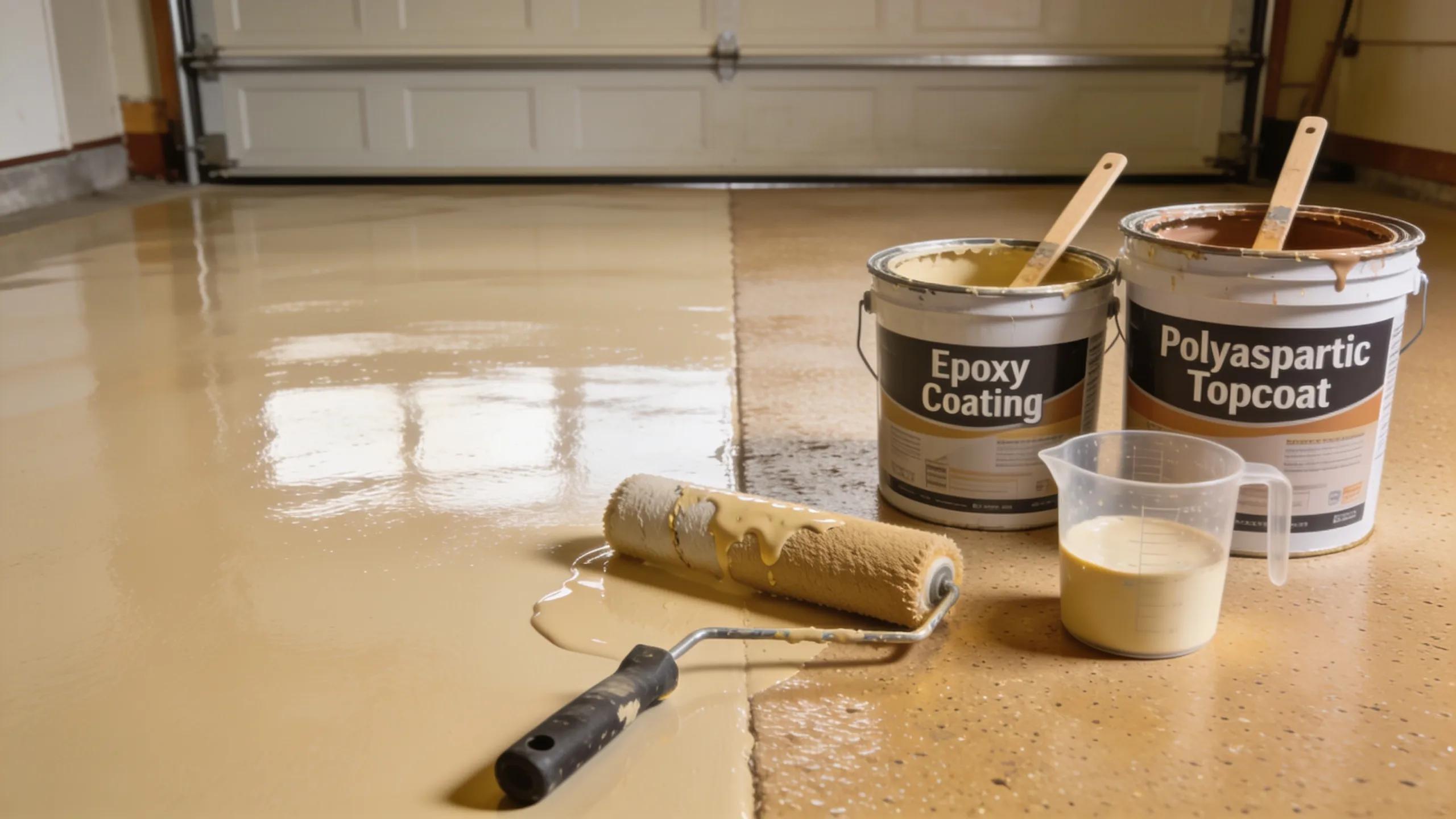
Choosing the right flooring for your garage can significantly enhance your home’s functionality and aesthetic appeal. Garage floor coatings, particularly epoxy and polyaspartic options, offer robust protection against wear, staining, and chemical damage. Understanding the distinctions and benefits of various materials can help homeowners make informed decisions that suit their specific needs and local climate considerations. This article explores the essential attributes of residential garage floor coatings, particularly focusing on epoxy and polyaspartic alternatives, to assist New Jersey homeowners in navigating the wide range of options available.
In this comprehensive guide, you will learn about the characteristics and performance of different garage floor coatings, with a focus on their durability, aesthetic appeal, and cost implications. We will also discuss important maintenance considerations and provide insights on how to choose the best option for your garage environment. Let’s dive into the intricate world of garage flooring solutions.
Residential Garage Floor Coatings vs. Epoxy in New Jersey: A Homeowner’s Guide
Selecting the appropriate garage floor coating is vital to optimizing the functionality and longevity of your space. In New Jersey, where weather fluctuations can impact flooring materials, homeowners must consider how each option responds to local conditions. Garage floor coatings act as protective layers that resist damage from impacts, spills, and UV exposure, enhancing the overall performance of your garage flooring.
Understanding these coatings begins with recognizing their main types. Epoxy coatings are renowned for their durability and strong adhesion properties, making them suitable for various applications. This guide highlights the essential factors to consider, ensuring you make an informed decision tailored to your garage needs.
Overview of Garage Floor Coatings
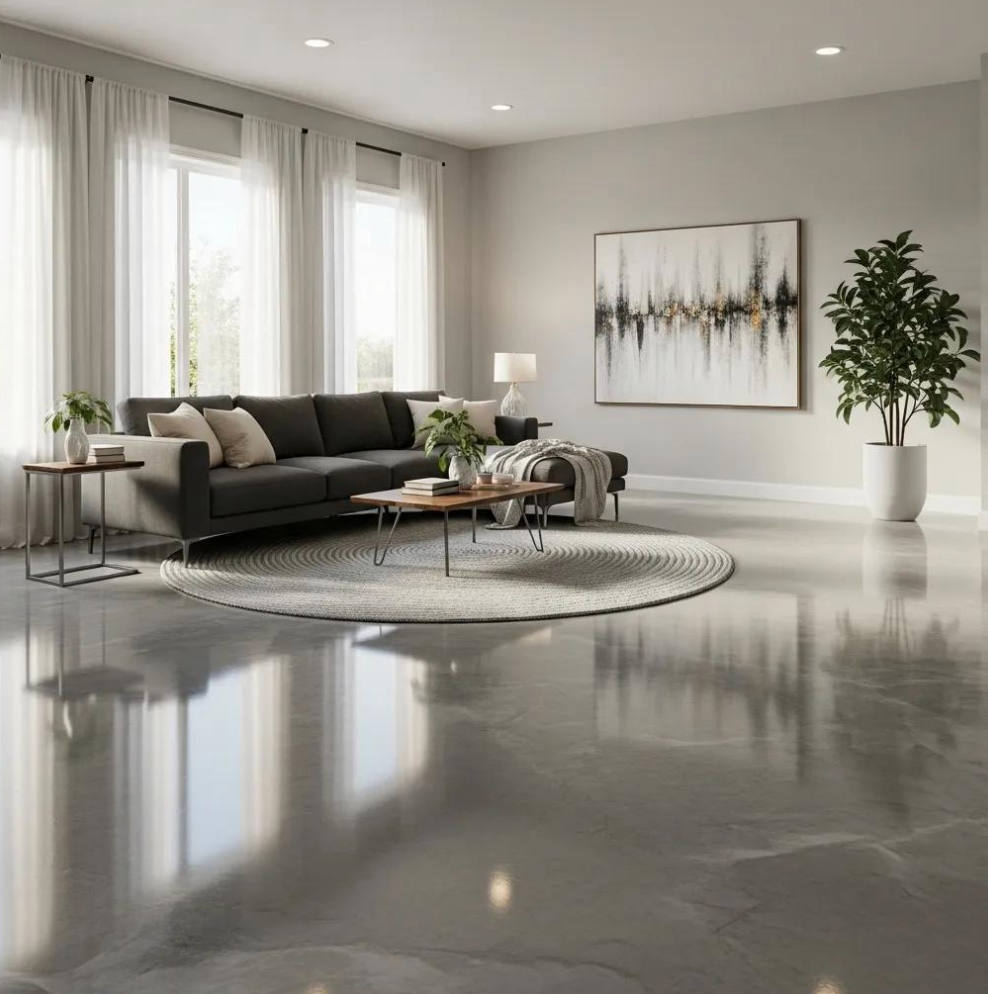
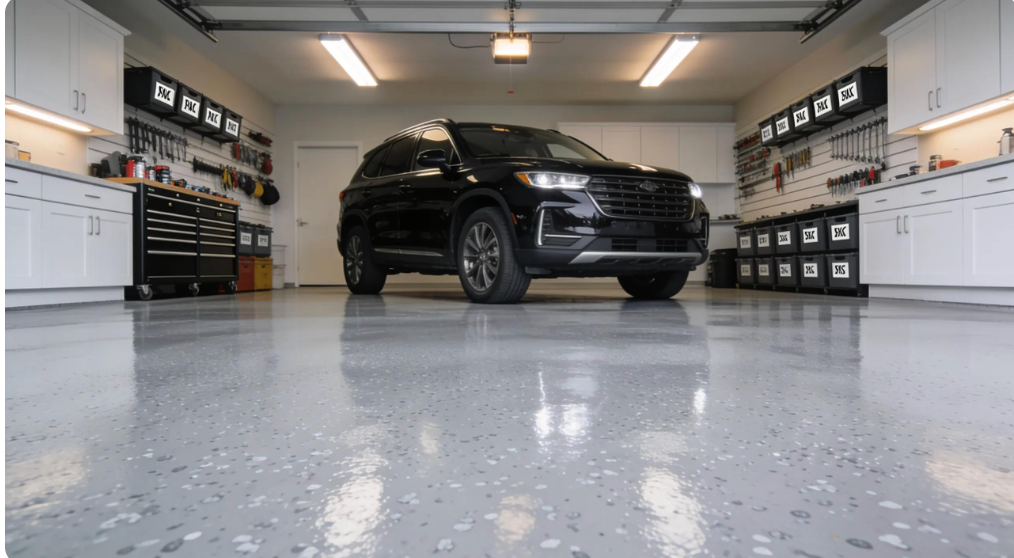
Garage floor coatings are protective finishes applied over the concrete surfaces of residential garages. These coatings provide enhanced durability and improved visual appeal, often transforming dull concrete into vibrant, easy-to-clean surfaces. They serve as barriers against spills, stains, and abrasions, extending the life of the underlying concrete.
Using these coatings effectively can dramatically enhance garage environments. A well-coated garage floor is not only easier to maintain but also protects against the harmful effects of chemicals, oil spills, and moisture intrusion. Such advantages make investing in quality coatings a wise choice for homeowners.
What is Epoxy Garage Floor Coating?
Epoxy garage floor coating consists of a thermosetting resin combined with a hardener, creating a durable and resilient surface when applied to garage floors. This chemical reaction bonds the epoxy to the concrete, resulting in a surface that is resistant to wear, heat, and even chemical spills.
The installation of epoxy coatings typically requires surface preparation to ensure proper adhesion. Clean, well-prepared concrete substrates help maximize the effectiveness of the epoxy and prolong its lifespan in demanding conditions often encountered in garage settings.
Durability
Durability is one of the primary reasons homeowners choose epoxy over other flooring options. Epoxy coatings offer exceptional resistance to impacts, abrasions, and harsh chemicals commonly found in garages. Unlike traditional flooring materials, epoxy retains its integrity even under strenuous use.
The lifespan of epoxy coatings typically exceeds that of many other alternatives, with an average longevity of 10 to 15 years when installed correctly. This robustness has made epoxy a favorable choice for many homeowners looking for long-lasting solutions.
Benefits of Epoxy Flooring
Epoxy flooring solutions come with a multitude of advantages, making them a popular choice among homeowners. Here are the key benefits:
- Durability and Impact Resistance: Epoxy coatings withstand heavy traffic and impacts, ensuring long-lasting use.
- Chemical Resistance: They resist stains from oils, solvents, and other chemicals that can damage conventional flooring surfaces.
- Aesthetic Enhancements: Available in various colors and finishes, epoxy flooring can significantly elevate the visual appeal of your garage.
For those looking to upgrade their garage flooring, the benefits of epoxy coatings are compelling, providing substantial value through enhanced performance and aesthetic options.
Options for Floor Protection
There are various types of floor protection solutions available, with epoxy and polyaspartic coatings sitting at the forefront. Each option comes with specific advantages, catering to different consumer demands and circumstances.
Here are common options:
- Epoxy Coatings: Highly durable and resistant to chemicals, suitable for long-term application.
- Polyaspartic Coatings: Known for their rapid curing times and UV stability, making them a go-to for quick installations.
- Decorative Floor Coatings: Ideal for aesthetic enhancements, offering unique colors and finishes.
Selecting the right type of coating depends on individual preferences, budget, and the intended use of the garage space.
What Are the Key Differences Between Epoxy and Polyaspartic Garage Floor Coatings in New Jersey?
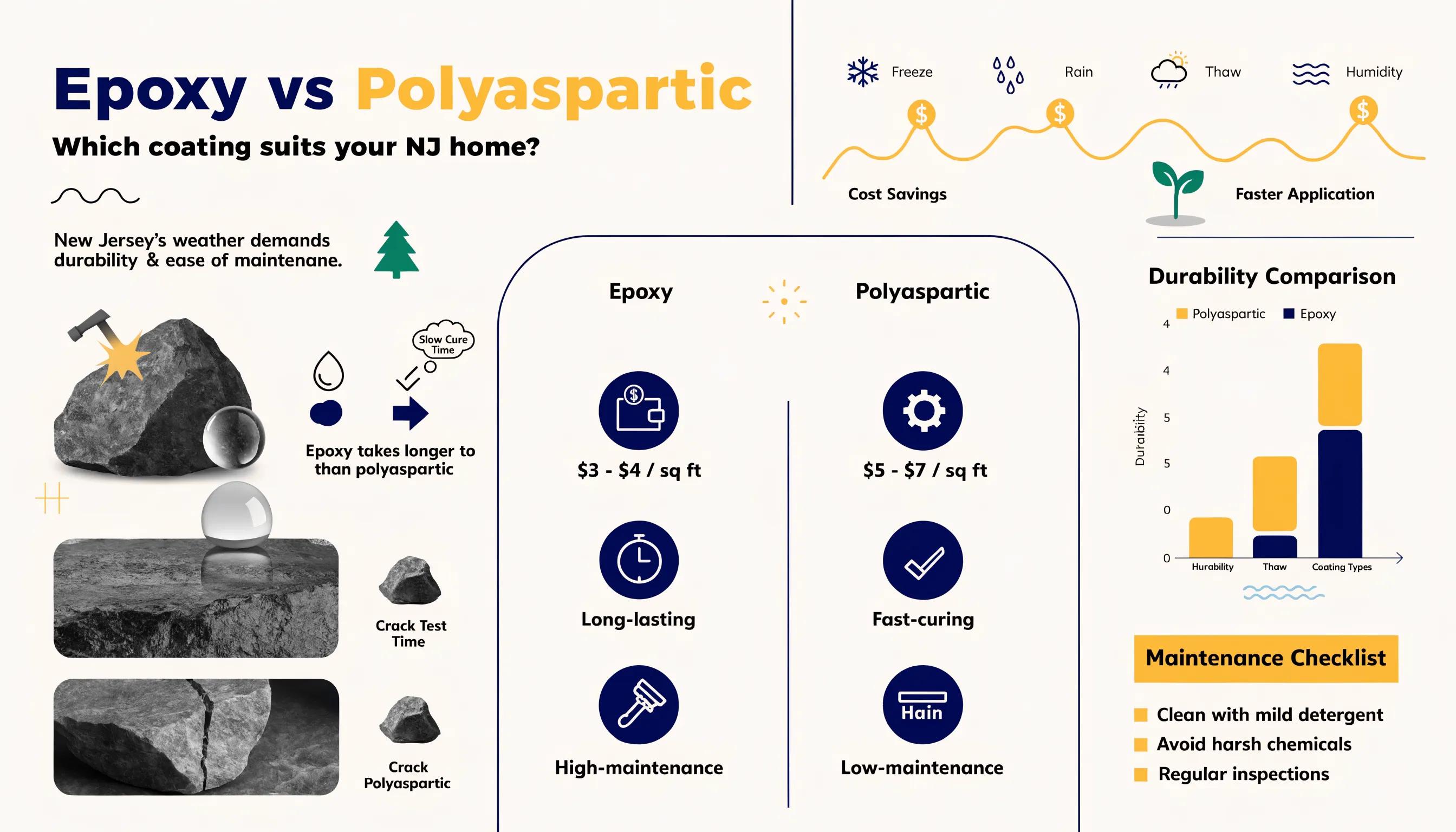
When comparing epoxy and polyaspartic garage floor coatings, homeowners must consider several factors, including application methods, performance metrics, and cost implications. Understanding these key differences can guide your decision-making process.
How Do Durability and UV Resistance Compare Between Epoxy and Polyaspartic Coatings?
| Coating Type | Durability | UV Resistance | Lifespan |
|---|---|---|---|
| Epoxy | High | Moderate | 10-15 years |
| Polyaspartic | Higher | Excellent | 15-20 years |
This table illustrates that while both options offer excellent durability, polyaspartic coatings often surpass epoxy in UV resistance, making them suitable for areas with significant sunlight exposure.
Why Is Polyaspartic Considered a Top Garage Floor Epoxy Alternative in NJ?
Polyaspartic coatings are increasingly considered top alternatives to epoxy due to their rapid curing times and superior resistance to UV damage. Whereas epoxy may take longer to fully cure, polyaspartic options can often be applied in a single day, making them ideal for homeowners needing quick solutions.
Additionally, the flexibility of polyaspartic coatings allows them to resist cracking and peeling in response to temperature changes, a crucial advantage in New Jersey's fluctuating climate. For professional installation and consultation on these advanced coatings, homeowners can explore options at Stone Craft NJ garage floor coatings.
How Much Does Garage Floor Coating Installation Cost in New Jersey?
The cost of garage floor coating installation in New Jersey can vary based on several factors, including the coating type, the garage size, and the condition of the existing floor. For general budgeting:
- Epoxy Coatings: Prices typically range from $3 to $12 per square foot, depending on the quality of the product and the complexity of the installation. The overall cost for a standard garage can range from $1,200 to $2,000.
- Polyaspartic Coatings: These options range from $4 to $15 per square foot due to their advanced materials and quicker installation time.
It is advisable for homeowners to get multiple quotes from contractors to ensure competitive pricing and to discuss specific needs and preferences that might influence costs.
What Factors Influence the Price of Epoxy and Polyaspartic Coatings in NJ?
Several factors can influence the pricing of epoxy and polyaspartic coatings, including:
- Garage Size: Larger spaces will naturally incur higher total costs.
- Concrete Condition: Floors requiring extensive repairs or surface preparation will increase labor costs.
- Coating Type: Premium coatings with specific additives or features generally come at a higher price point.
Homeowners should factor in these elements when discussing options with contractors to ensure they receive a comprehensive understanding of potential expenses.
Are There Local NJ Incentives or Discounts for Garage Floor Coating Services?
New Jersey residents should inquire about local incentives or discounts for garage floor coating services. Occasionally, promotional offers can lower the upfront costs associated with installing protective coatings. For the latest service reviews and potential discounts, checking directly with providers is recommended.
Additionally, being informed about any seasonal discounts can be advantageous, particularly during slower business periods when companies are eager to attract customers. Always ask contractors about any ongoing deals or coupons that may apply.
What Is the Step-by-Step Garage Floor Coating Installation Process in New Jersey?
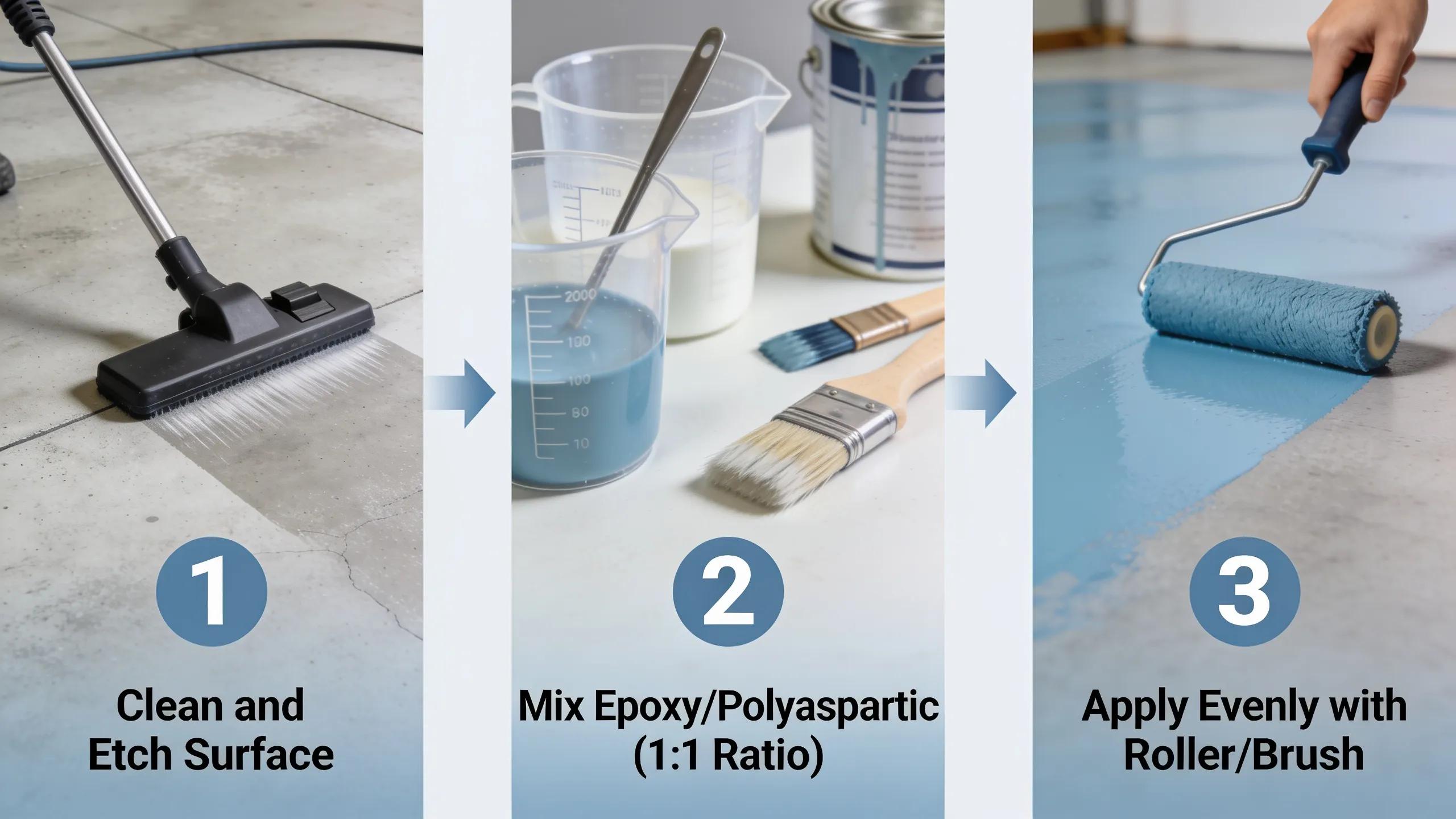
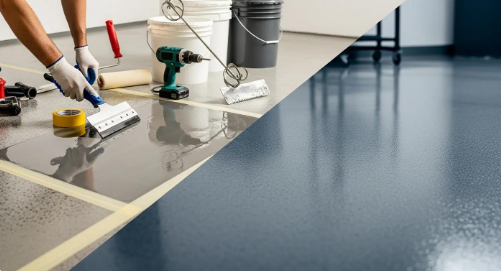
Understanding the installation process helps homeowners prepare for what to expect. The typical steps include:
- Surface Preparation: Cleaning and repairing any damage to the existing concrete. This step is crucial for ensuring proper adhesion.
- Application of Coating: Pouring and spreading the epoxy or polyaspartic mixture over the prepared floor.
- Curing Time: Allowing for proper curing, which varies between 24 hours for polyaspartic and 3-7 days for epoxy.
Awareness of this process can alleviate concerns regarding logistics, time commitments, and overall effectiveness.
How Does Garage Floor Surface Preparation Impact Coating Longevity?
The success of any garage floor coating largely depends on the surface preparation completed prior to installation. Properly prepared concrete ensures strong adhesion, preventing issues such as peeling or bubbling that can arise from trapped moisture or debris.
Effective preparation strategies include cleaning the surface, grinding to create texture, and repairing any existing cracks or imperfections. These steps significantly impact the longevity of the coating, leading to a more durable and reliable finish.
What Are the Typical Curing Times for Epoxy vs Polyaspartic Coatings?
Curing times significantly affect the time before a garage space can be fully utilized. Generally:
- Epoxy Coatings: Standard curing times range from 3-7 days before full use depending on conditions.
- Polyaspartic Coatings: These coatings cure quickly, often allowing return to service in as little as 24 hours.
Understanding these timelines can help homeowners plan accordingly for their garage needs and minimize downtime.
How Do I Choose the Best Garage Floor Coating for My Home in New Jersey?
Choosing the right garage floor coating involves evaluating multiple factors:
- Intended Use: Consider the types of activities that will occur in your garage.
- Climate Considerations: Local weather conditions affect coating performance.
- Budget: Ensure you balance desired quality with financial constraints.
Consultation with flooring professionals can also provide insights tailored to your specific situation, guiding you towards the best possible choice.
Which Flooring Attributes Matter Most: Durability, Appearance, or Maintenance?
When evaluating garage floor coatings, it's essential to assess which attributes align with your priorities. Key considerations include:
- Durability: This should be a primary factor for high-traffic garages.
- Appearance: An attractive finish can enhance overall home aesthetics.
- Maintenance: Consider the ease of cleaning and upkeep.
These attributes collectively influence your choice and should be prioritized based on personal preferences and lifestyle requirements.
What NJ-Specific Factors Should Influence My Garage Floor Coating Choice?
Homeowners in New Jersey should consider several local factors:
- Weather Patterns: Seasonal extremes in temperature and humidity can affect coating performance.
- Local Availability of Materials: The availability of quality coatings in specific regions can influence choices.
- Regulatory Considerations: Be aware of any local building codes that may impact installation.
Staying informed about these factors is crucial for selecting the ideal garage floor coating tailored to your home environment.
What Are the Maintenance Tips and Longevity Expectations for Garage Floor Coatings?
Maintaining garage floor coatings can significantly extend their lifespan. Key tips include:
- Regular Cleaning: Keep surfaces free of debris and stains to prevent damage.
- Prompt Spill Cleanup: Address oil or chemical spills quickly to avoid staining and degradation.
- Periodic Re-sealing: Depending on the wear, reapplication may be necessary every few years.
By adhering to these guidelines, homeowners can enjoy the benefits of their garage floor coatings for many years to come.
How Often Should Epoxy and Polyaspartic Coatings Be Maintained?
Regular maintenance schedules can differ for epoxy and polyaspartic coatings:
- Epoxy Coatings: Generally need re-sealing every 3-5 years due to increased wear.
- Polyaspartic Coatings: Can maintain their appearance and performance longer, needing re-seals every 5-7 years.
Understanding these timelines can help homeowners plan for future maintenance efficiently.
What Are Common Issues and How Can They Be Prevented?
Homeowners might encounter several common coating-related issues. However, preventive measures can easily mitigate these challenges:
- Peeling: Ensure proper surface preparation.
- Staining: Promptly clean any spills to prevent permanent damage.
- Bubbling: Use quality products and follow application guidelines.
Being proactive about these common problems allows homeowners to maintain robust and visually appealing garage floors.
What Garage Floor Coating Services Does Stone Craft NJ Offer for New Jersey Homeowners?
Stone Craft NJ specializes in providing premium garage floor coating services tailored to meet the diverse needs of homeowners. Services include:
- Epoxy Coatings: Offering enhanced durability against wear and chemical exposure.
- Polyaspartic Coatings: Quick installation options suitable for rapid application needs.
- Customization Options: Tailoring color choices and finishes based on customer preferences.
For a comprehensive overview of all their services, including options beyond garages, homeowners can visit the Stone Craft NJ homepage.
How Does Stone Craft NJ Personalize Garage Floor Coating Consultations?
At Stone Craft NJ, client engagement is structured to ensure personalized experiences during consultations. The company prioritizes understanding each homeowner's unique needs by:
- Assessing Specific Requirements: Evaluating the intended use and desired outcome of the project.
- Offering Customized Solutions: Recommending suitable coating options based on consultations.
- Demonstrating Expertise: Providing insights that inform decision-making, focused on achieving optimal results.
This personalized approach enhances the entire process, enabling homeowners to feel confident in their choices.
What Are the Warranty and Support Options Available?
Stone Craft NJ provides comprehensive warranty and support options for their garage floor coating services. This includes:
- Warranty Coverage: Ensuring confidence in the longevity of the coatings applied.
- Ongoing Support Options: Offering maintenance tips and services post-installation.
- Service Guarantees: Committing to customer satisfaction and quality workmanship.
With these guarantees, New Jersey homeowners can rest assured knowing they have reliable support throughout their flooring journey.